

Play Tesla: Why shutdown matters
Most new drivers ask the same question: how do you turn off a Tesla? The short answer is that you usually don't. Unlike internal combustion engine vehicles, a Tesla is a computer on wheels that stays awake even when you walk away. The electronics run on a small 12-volt auxiliary battery that draws power from the main high-voltage pack, keeping the infotainment system, keyless entry, and security features active at all times.
This passive design is intentional. The car needs to remain connected to Tesla’s servers for over-the-air updates, Sentry Mode, and remote climate control. If you tried to manually shut down the main computer like a laptop, you would disable critical safety systems and prevent the vehicle from receiving essential software patches.
However, there are specific moments when initiating a manual shutdown is the right move. The most common scenario is after a full charge. Plugging in a Tesla for hours can sometimes cause the 12-volt battery to drain if the main pack isn't fully charged yet. A manual shutdown forces the car to wake up, verify the charge, and then settle into a low-power sleep state, which helps balance the batteries. It is also useful before long-term storage to ensure all systems are properly reset and sleeping efficiently.
To initiate this, go to Controls > Safety > Power Off. The screen will go black, but the car remains armed. You can wake it up anytime by pressing the brake pedal or using your phone key. This simple reset clears minor software glitches and ensures the car is in a stable state for your next drive.
How to turn off your Tesla
Powering down your Tesla manually is a simple but often overlooked part of vehicle care. While the car enters sleep mode automatically, a deliberate shutdown ensures all systems reset cleanly. This is especially useful before long-term storage or routine maintenance. Follow these steps to safely turn off your Tesla and prepare it for rest.

Ensure the vehicle is in a safe, stationary position. The car must be in "Park" before you can proceed with any shutdown commands. If you are parked near a charger, you may disconnect it now, though the car can power down while plugged in if needed.
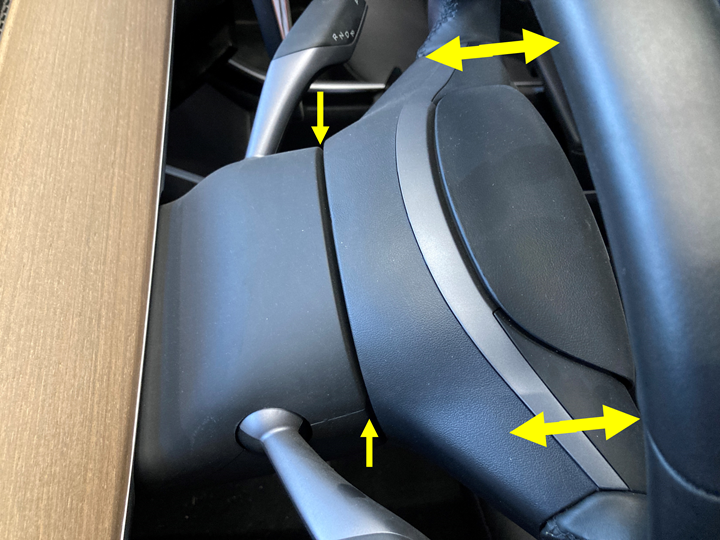
Opening the driver’s door is the first trigger for the shutdown sequence. This action signals to the vehicle that you are exiting. The touchscreen will display an "Exit" prompt, confirming the car has detected your departure intent.

On the center screen, tap the "Exit" button. This command cuts power to the cabin electronics, including the infotainment system, climate control, and interior lights. The screen will go black, and the car will begin its transition to sleep mode. Wait a few seconds for the display to fully dim before leaving the vehicle.
Once the screen is off, close the door firmly. Use the key fob, phone key, or keypad to lock the car. Locking the vehicle confirms the shutdown process is complete and secures the car. You can verify it has entered sleep mode by checking the Bluetooth connection on your phone key; it will disconnect once the car is fully powered down.
This manual shutdown method gives you full control over when the vehicle powers down. It prevents unnecessary drain from background processes and ensures the car is ready for its next use. Regularly using this sequence helps maintain battery health and system stability over time.
Install a Tesla Wall Charger
Installing a dedicated home charging station is the most reliable way to keep your vehicle ready. While the car’s mobile connector works for emergencies, a hardwalled Tesla Wall Connector delivers the fastest safe charging speeds for daily use. This process involves mounting the unit, running a dedicated electrical circuit, and ensuring the connection is secure.
You will need a licensed electrician to handle the wiring portion of this installation. Electrical codes vary by region, and improper handling of high-voltage circuits poses significant safety risks. The electrician will install a dedicated breaker in your main electrical panel and run the appropriate gauge wire to the charging location.
Select a spot in your garage or driveway that allows the charging cable to reach your vehicle’s port comfortably. The Wall Connector should be mounted on a solid, flat surface at a height that is accessible but out of reach of children or pets. Ensure there is enough clearance for the cable to hang freely without kinking or touching the ground.
Your electrician will install a dedicated circuit breaker in your main electrical panel. This ensures the charger draws power without overloading your home’s existing wiring. The wire gauge and breaker size depend on the charger’s amperage rating and the distance from the panel to the installation site. For a standard 240-volt setup, this typically involves running 6 AWG or 8 AWG wire through conduit or direct-burial cable.
Once the wiring is in place, mount the charging unit to the wall using the provided template. Secure the unit firmly with the appropriate anchors and screws. Connect the power wires to the terminal block inside the unit according to the manufacturer’s wiring diagram. Double-check all connections for tightness before closing the cover.
Turn on the dedicated circuit breaker and check the indicator light on the Wall Connector. A steady blue light indicates the unit is ready. Use the Tesla mobile app to pair the charger with your vehicle. You can now set charging limits, schedule sessions, or start charging manually directly from the app or the charger’s interface.
After installation, perform a final safety check. Ensure the cable is not strained when plugged into your vehicle and that the charging port on the car is clean and dry. Regularly inspect the charging cable for any signs of wear or damage. If the charger fails to communicate with your vehicle, restart the circuit breaker or reset the unit by turning off the breaker for thirty seconds and turning it back on.
Maximize Tesla usage daily
Getting the most out of your Tesla starts with small, consistent habits that protect the battery and keep the car ready for your next trip. Think of your EV’s battery like a muscle: it performs best when you don’t push it to its absolute limit every single day, and when you keep it at a comfortable temperature before you hit the road.
Schedule charging for off-peak hours
Plugging in at night isn’t just about saving money on electricity; it reduces stress on the battery by allowing it to charge slowly and steadily. Set a schedule in your vehicle’s app to charge only during off-peak hours. This prevents the battery from sitting at 100% for long periods, which can degrade capacity over time. Aim to charge to 80-90% for daily use, reserving 100% for long road trips.
Use preconditioning before driving
Preconditioning warms or cools your battery and cabin while the car is still plugged in, using grid power instead of battery energy. This ensures you start with maximum range and better acceleration. Schedule preconditioning in your app to happen 15-30 minutes before you plan to leave. The car will draw power from the charger to reach the ideal temperature, leaving the battery full and ready to go.
Keep tires properly inflated
Underinflated tires increase rolling resistance, which can reduce your range by up to 3%. Check your tire pressure once a month and before long trips. Tesla’s recommended pressure is usually listed on the sticker inside the driver’s door jamb. Maintaining proper inflation not only improves efficiency but also extends tire life and ensures safer handling.
Drive smoothly to conserve energy
Aggressive acceleration and hard braking waste energy. Tesla’s regenerative braking recaptures some of that energy, but smooth driving maximizes the overall efficiency. Use "Standard" or "Low" regen modes in normal driving conditions, and switch to "High" only when you want maximum one-pedal driving. Avoid high speeds on highways when possible, as aerodynamic drag increases significantly above 60 mph.
-
Charge to 80-90% for daily use
-
Precondition the cabin before departure
-
Check tire pressure monthly
-
Drive smoothly to conserve energy
-
Use navigation for route-specific charging
Common charging mistakes to avoid
Even with a robust app, small habits can drain your battery faster or shorten its life. Think of your Tesla battery like a human body: it needs balance, not extremes. Here are the most frequent errors owners make when managing their charge settings.
Ignoring software updates
Tesla releases over-the-air updates that refine battery thermal management and charging logic. Skipping these updates means you might miss out on optimizations that prevent overheating during fast charging. Keep your vehicle connected to Wi-Fi at night so the latest patches install automatically.
Overcharging daily
Most daily drivers only need to charge to 80% or 90%. Setting the limit to 100% every night stresses the lithium-ion cells. Reserve 100% charges for long road trips where you need maximum range. Adjust the limit in the Charging tab of the touchscreen before you head out.
Letting the battery sit empty
Leaving your Tesla at a very low charge (below 10%) for days or weeks can cause the battery to degrade or even enter a deep sleep mode that requires a jump start. If you won’t be driving for a while, plug it in to maintain a healthy charge level between 20% and 80%.
Play tesla: frequently asked: what to check next
Addressing common questions about shutdown, charging, and optimization helps you avoid range anxiety and ensure your vehicle is ready for the next trip.
No comments yet. Be the first to share your thoughts!