
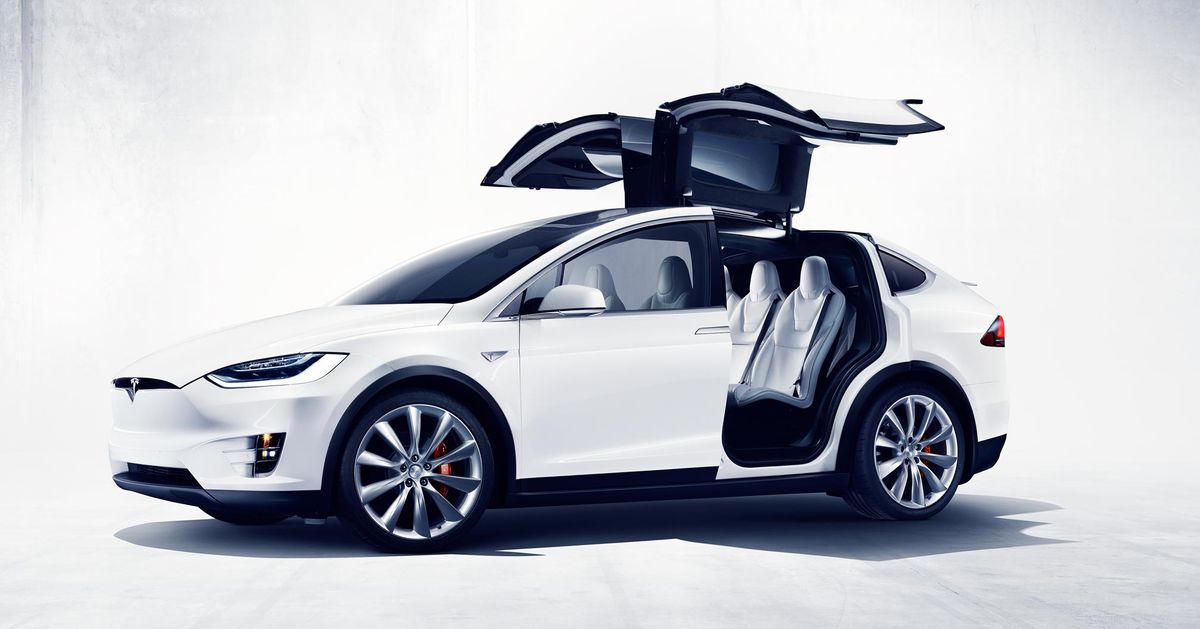

Getting started with your Tesla
Welcome to the driver’s seat. Owning a Tesla is less about maintaining a traditional mechanical machine and more about engaging with a sophisticated computer on wheels. The phrase "play Tesla" captures this perfectly: you aren’t just driving; you are interacting with software, managing energy flows, and exploring features that evolve over time. This initial setup phase is where you transform the vehicle from a shipped product into your personal daily driver.
Before you can fully enjoy the experience, you need to establish the digital foundation. Your phone is now the primary key. Pairing it with the car via the Tesla app ensures you can lock, unlock, start, and locate your vehicle remotely. This step is critical for daily convenience, allowing you to pre-condition the cabin temperature before you even step outside.
Once the digital link is secure, shift your focus to the physical interface. The center touchscreen is your command center. Spend time navigating the controls to understand how climate, media, and navigation are managed. Unlike traditional dashboards with physical buttons, Tesla relies on software menus. Familiarizing yourself with these layouts now will make driving smoother and safer later. Think of this initial exploration as learning the layout of a new kitchen before you start cooking.
Installing the home wall charger
Play Tesla works best as a clear sequence: define the constraint, compare the realistic options, test the tradeoff, and choose the path with the fewest hidden costs. That order keeps the advice usable instead of decorative. After each step, pause long enough to check whether the recommendation still fits the reader's actual situation. If it depends on perfect timing, unusual access, or a best-case budget, include a simpler fallback.
Properly shutting down the vehicle
Many new owners approach their Tesla like a conventional gas car, expecting to turn a key or press a button to cut power. This is the first misconception to unlearn: Teslas do not have a traditional "off" switch. The vehicle is designed to remain in a standby state, much like a smartphone, allowing for remote access, software updates, and Sentry Mode even when you are not inside.
When you finish driving, the process is simply to open the door and exit. The car will automatically lock itself after a short delay. To ensure the vehicle enters "sleep mode"—the state where battery drain is minimized—you should follow a specific sequence. This prevents the car from staying awake longer than necessary, which can lead to a drained 12V battery or reduced range if left for days.
If the car fails to sleep, it is usually because it is waiting for a Bluetooth connection from your phone or a user profile. You can force it to sleep by locking the car via the Tesla app instead of the physical door handle. This often triggers the shutdown sequence immediately.
Once the vehicle is sleeping, you can use the app to pre-condition the cabin, check the charge level, or locate the car. This is the primary way you interact with your Tesla when it is parked. There is no need to manually shut down the infotainment system or the climate control; the car manages these resources intelligently based on your settings and battery level.
Maximizing daily driving efficiency
Getting the most out of your Tesla starts with how you drive. By adjusting three core settings—driving mode, regenerative braking, and climate control—you can significantly extend your range and create a smoother daily experience. These adjustments don't require complex engineering knowledge; they are simple toggles in your vehicle's software that adapt to your routine.
Adjust regenerative braking strength
Regenerative braking is where your Tesla captures energy normally lost during deceleration and sends it back to the battery. You can control how aggressively the car slows down when you lift off the accelerator pedal.
- Standard: Offers a balance between coasting and braking. It feels most like a traditional gasoline car and is ideal for highway driving or unfamiliar routes.
- Low: Maximizes coasting. The car glides further when you lift off the pedal, requiring more use of the brake pedal to stop. This is useful for smooth, long-distance trips where you want to minimize pedal switching.
- High: Provides strong one-pedal driving. The car slows down noticeably without brake pedal input, capturing more energy. This is best for city driving with frequent stops.
For most daily commutes, switching to High regen braking can add several miles to your range by recapturing energy in stop-and-go traffic. If you find the deceleration too abrupt, dial it back to Standard.
Choose the right driving mode
Driving modes adjust the car's throttle response, steering weight, and suspension (if equipped with adaptive dampers) to match your mood or road conditions. While they don't drastically change range on their own, they influence efficiency through driver behavior.
- Chill Mode: Delivers smooth, gradual acceleration. This is the most efficient mode for daily driving because it discourages rapid power draws, keeping energy consumption low and range high.
- Sport Mode: Sharpens throttle response and steering for a more engaging drive. Use this for highway passing or winding roads, but be aware that aggressive acceleration will drain the battery faster.
- Snow Mode: Reduces torque and adjusts traction control to prevent wheel spin on slippery surfaces. This is a safety feature that also helps maintain momentum in winter conditions without wasting energy on wheel spin.
For maximum efficiency, stick to Chill Mode during routine trips. Reserve Sport mode for when you need quick overtaking or want a more dynamic driving feel.
Manage climate control proactively
The HVAC system is one of the biggest energy consumers in an electric vehicle. Managing it wisely can preserve range, especially in extreme weather.
- Use Preconditioning: Plug in your car before driving and set the cabin temperature while it's still connected to power. The car uses grid electricity to heat or cool the cabin and battery, leaving your stored charge intact for driving.
- Enable Seat Heaters and Steering Wheel: These elements consume far less energy than heating or cooling the entire cabin air. In cold weather, turning on the heated seats allows you to keep the cabin temperature lower while staying comfortable.
- Use Recirculation: In hot or cold weather, enabling recirculation mode prevents outside air from constantly entering the cabin, reducing the workload on the HVAC system.
By preconditioning your car and relying on seat heaters, you can reduce HVAC-related range loss by up to 10-15% in extreme temperatures.
Essential maintenance and care tips
Keeping your Tesla in top shape requires less effort than a traditional gas car, but a few routine checks ensure longevity and safety. Think of maintenance as a quick health check-up rather than a full overhaul.
Monthly tire and brake inspections
Tire pressure affects range and wear. Check pressures monthly when tires are cold and adjust to the placard values inside the driver’s door jamb. Because Teslas are heavy and deliver instant torque, tires wear faster than in typical gas vehicles. Inspect tread depth and look for uneven wear patterns.
Brake pads last significantly longer due to regenerative braking. You rarely need to replace them, but inspect them annually for dust buildup or corrosion. Clean calipers if necessary to prevent seizing.
Battery health and charging habits
For daily driving, set the charge limit to 80-90% to reduce stress on the battery cells. Reserve 100% charges for long trips. Avoid leaving the car at 0% or 100% for extended periods. If storing the vehicle for weeks, keep the charge around 50%.
The thermal management system handles most battery conditioning automatically. Ensure the cabin pre-conditioning feature is enabled before Supercharging to maximize charge speeds.
Software updates and fluid checks
Tesla pushes over-the-air (OTA) updates that can add features and fix bugs. Install these promptly to keep your vehicle secure and up-to-date. Check the "Software" section in the touchscreen to see available updates.
Unlike gas cars, Teslas don’t need oil changes. However, you should replace brake fluid every two years and windshield washer fluid as needed. Cabin air filters should be replaced annually or when the "Replace Filter" warning appears.
Monthly maintenance checklist
-
Check tire pressure and adjust to recommended PSI
-
Inspect tire tread for wear or damage
-
Clean windshield washer fluid reservoir
-
Verify software is up to date
-
Check brake fluid level (annually)
-
Check tire pressure and adjust to recommended PSI
-
Inspect tire tread for wear or damage
-
Clean windshield washer fluid reservoir
-
Verify software is up to date
-
Check brake fluid level (annually)
Common questions about Tesla usage
You might wonder how to properly prepare your car for parking or if you need to worry about the battery draining while you’re away. Understanding these daily habits helps you get the most out of your vehicle without unnecessary anxiety.
No comments yet. Be the first to share your thoughts!