

Get started with the Tesla app
The Tesla app is your primary interface for managing the car. It turns your phone into a digital key, a remote control, and a diagnostic tool. Before you can access the vehicle’s features, you need to install the official application and link it to your account.
Download the Tesla app from the Apple App Store or Google Play. Open the app and sign in with the same Tesla account credentials you used when purchasing or leasing the vehicle. If you are the primary owner, you likely already have these details. If you are a secondary driver, ask the owner to share access through the app settings.
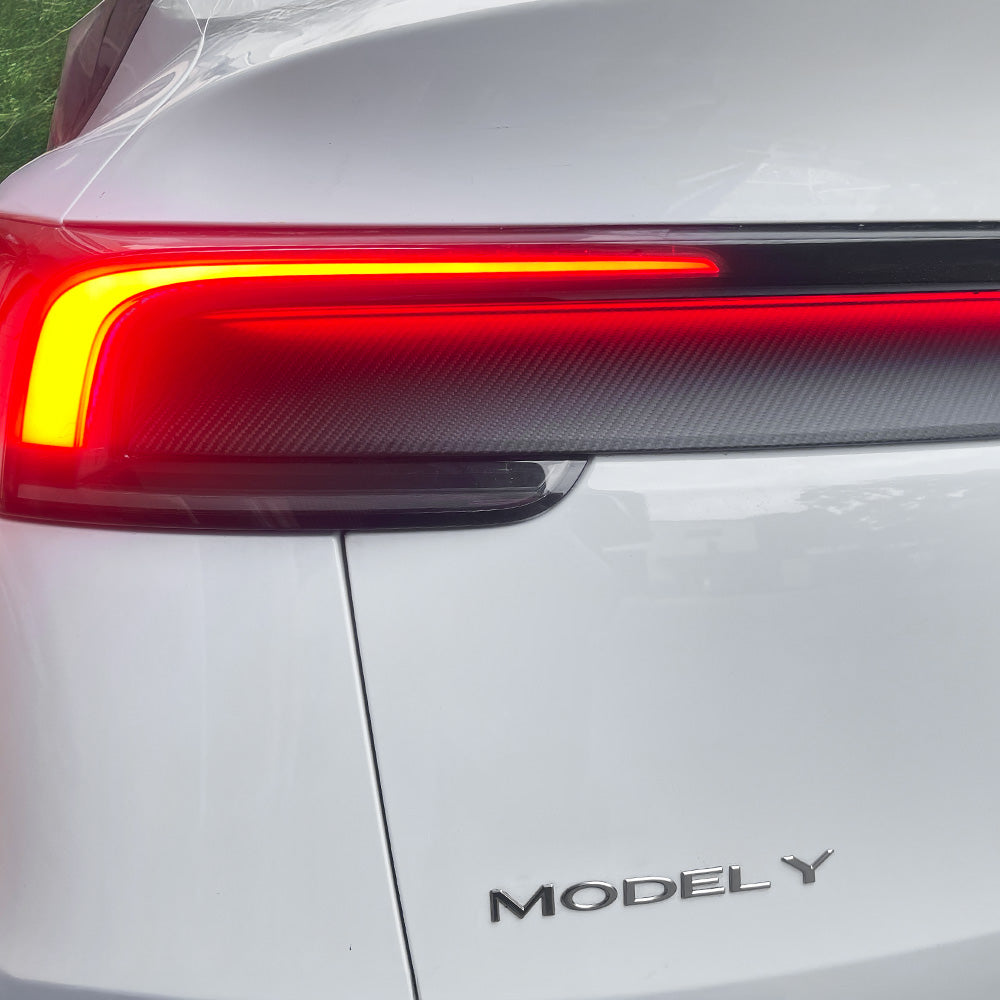
Once logged in, the app will detect your paired vehicle. Ensure your phone’s Bluetooth is active and location services are enabled. This allows the app to recognize when you are near the car for keyless entry and to send accurate push notifications. You can now use the app to manage your vehicle by locking doors, pre-conditioning the cabin, or checking the charge level from anywhere.
Turn off standby mode to save battery
Managing your Tesla effectively requires a clear sequence: define the constraint, compare the realistic options, test the tradeoff, and choose the path with the fewest hidden costs. That order keeps the advice usable instead of decorative.
After each step, pause long enough to check whether the recommendation still fits the reader's actual situation. If it depends on perfect timing, unusual access, or a best-case budget, include a simpler fallback.
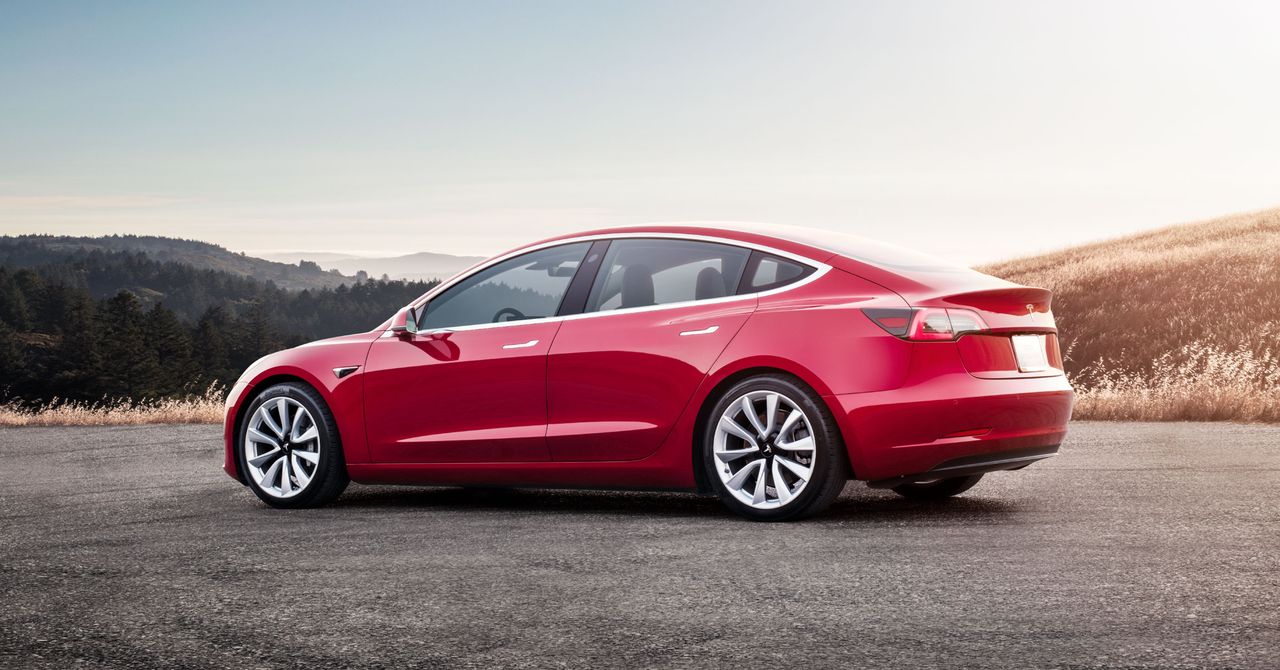
Install a Tesla Wall Connector safely
Installing a Wall Connector works best as a sequence, not a scramble through settings. Do the minimum first: confirm compatibility, connect the core hardware, update only when needed, and test the result before adding optional features. That order keeps the task understandable and makes failures easier to isolate.
After each step, pause long enough for the interface to finish syncing. Many setup problems are timing problems disguised as configuration problems. If the same step fails twice, record the exact error, restart the smallest affected piece, and retry before moving deeper.
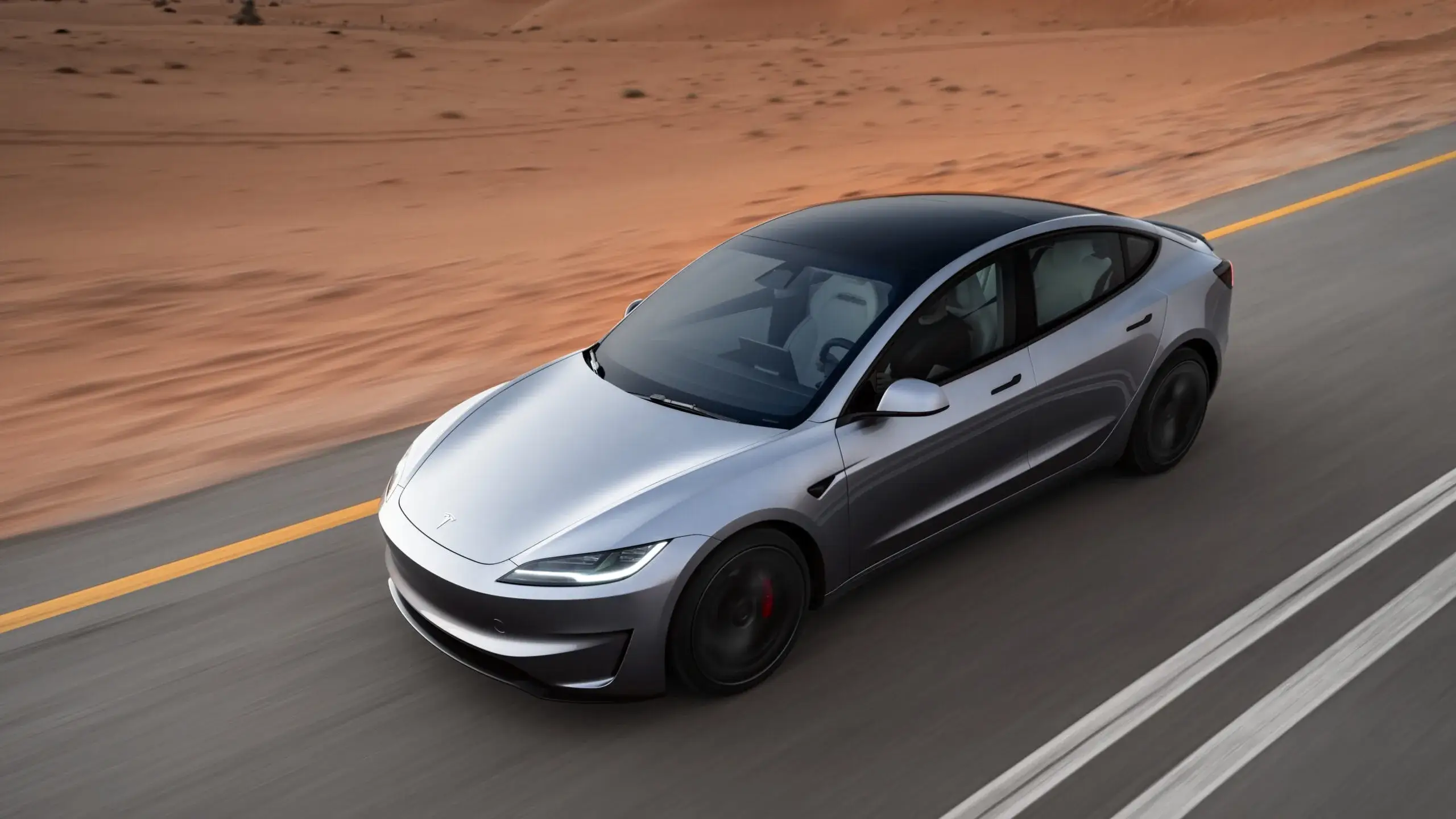

Check app features and vehicle status
Using the app features effectively requires a sequence, not a scramble through settings. Do the minimum first: confirm compatibility, connect the core hardware, update only when needed, and test the result before adding optional features. That order keeps the task understandable and makes failures easier to isolate.
After each step, pause long enough for the interface to finish syncing. Many setup problems are timing problems disguised as configuration problems. If the same step fails twice, record the exact error, restart the smallest affected piece, and retry before moving deeper.
The simplest way to use this section is to keep the setup small, verify each change, and record the stable configuration before adding optional accessories.
Recommended charging accessories
Completing your "Play Tesla" setup is as simple as grabbing the right gear. While the car handles the heavy lifting, these three accessories make daily charging smoother and safer.


As an Amazon Associate, we may earn from qualifying purchases.

Fix Common App Connection Issues
If the Tesla app won’t connect, start by checking your phone’s Bluetooth and location permissions. The app needs both to detect your vehicle locally or sync with the cloud. Go to your phone’s settings, find the Tesla app, and ensure "Allow while using the app" is selected for both permissions.
If permissions are correct, force-quit the app and reopen it. On iOS, swipe up from the bottom; on Android, swipe up from the bottom and hold, then swipe the app away. This clears temporary glitches in the local Bluetooth handshake. Wait 30 seconds before trying again.
Still stuck? Toggle Airplane mode on for 10 seconds, then off. This resets all network radios and often resolves stubborn connectivity drops. If the problem persists, log out of the app and log back in to refresh your session tokens.
No comments yet. Be the first to share your thoughts!