
v4 hardware changes
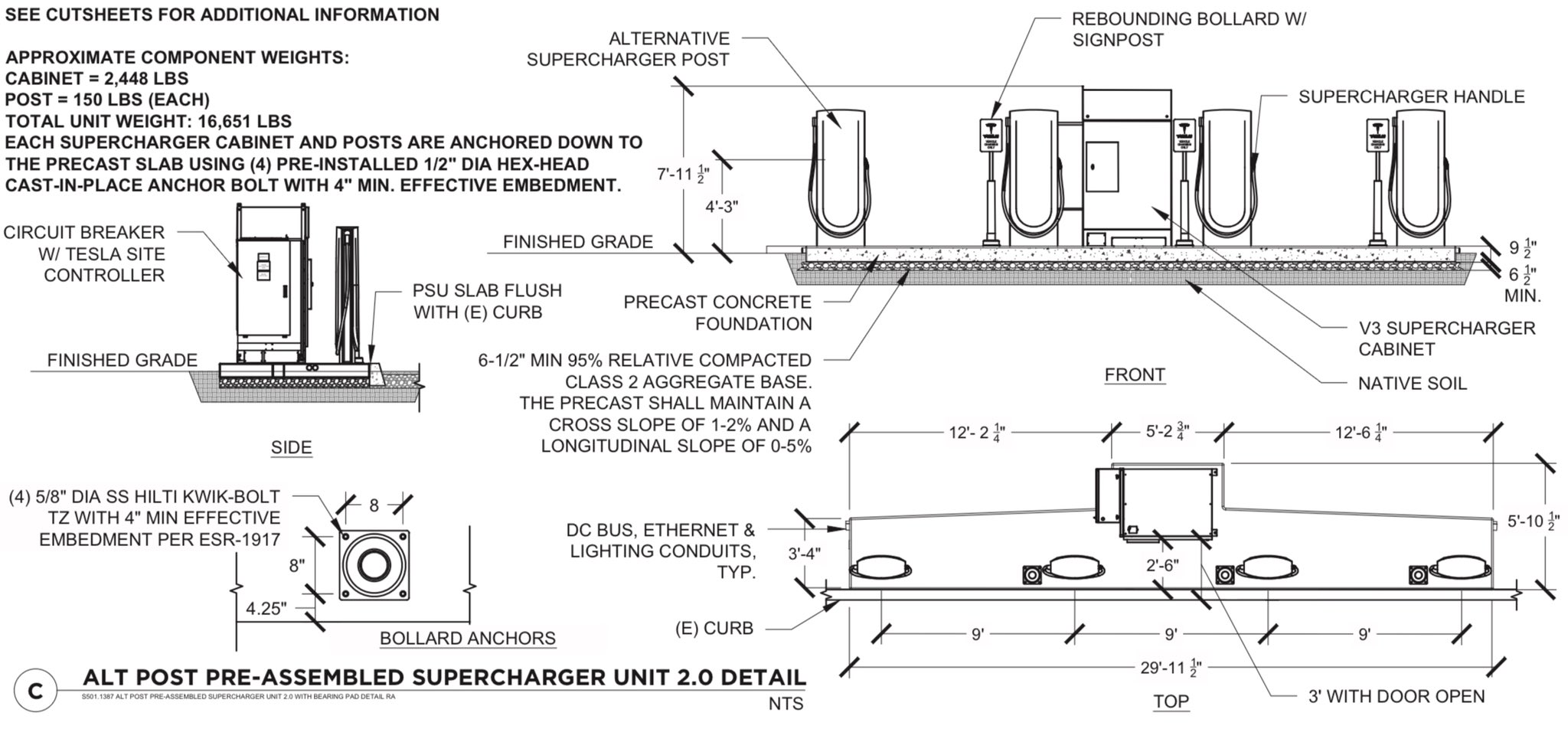
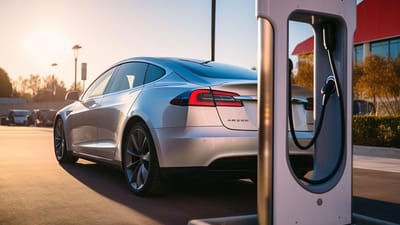
The V4 Supercharger is Tesla's latest hardware update. While the most obvious change is the taller, sleeker stall design, the real shift is the longer cable and native NACS support. In North America, this replaces the older proprietary Tesla plug with the now-standardized NACS design. It is a practical move to make these stalls accessible to other car brands without the cable reaching issues common on V3 units.
The V4 cable is longer—about 10 feet compared to the 6.5 feet on V3 stalls. This extra length is for non-Tesla EVs that have charge ports in different spots. While the stalls are rated for higher peak power, most current Teslas still max out at 250kW. The rollout is gradual; you'll mostly see these at new construction sites rather than retrofits of old stations.
The move to NACS isn't solely about convenience. It's about interoperability. By embracing a more open standard, Tesla is paving the way for a broader EV charging ecosystem. This change allows other manufacturers to easily integrate with the Supercharger network, and vice versa. It’s a strategic move that could benefit all EV drivers, not just those in the Tesla family.
checking your car's compatibility
Compatibility with the V4 Supercharger network largely depends on your Tesla model year. Vehicles manufactured from 2024 onward – Model 3 Highland, for example – come standard with the NACS connector, meaning they can utilize V4 stations without any additional equipment. This includes the Cybertruck, which was designed with NACS from the outset.
However, owners of older Tesla vehicles (Model S, Model X, and earlier Model 3s) will need an adapter to use the V4 Superchargers. Tesla offers a CCS-to-NACS adapter, and it’s currently available for purchase through the Tesla Shop for $250 as of late 2023/early 2024. While the adapter allows these vehicles to charge at V4 stations, it's crucial to understand that charging speeds may be slightly reduced compared to native NACS vehicles.
Some owners mention the adapter can be finicky in freezing temperatures. Tesla usually fixes these handshake errors through over-the-air software updates. Using an adapter won't change how your car behaves at older stations; it is just a bridge for the newer V4 hardware.
Tesla Model Supercharger V4 Compatibility & Estimated Charging Speeds (2026)
| Tesla Model | Native V4 Compatibility | Adapter Required? | Estimated Charging Speed (kW) - Native | Estimated Charging Speed (kW) - With Adapter |
|---|---|---|---|---|
| Model S | Yes | No | Up to 250 kW | N/A |
| Model 3 | Yes | No | Up to 250 kW | N/A |
| Model X | Yes | No | Up to 250 kW | N/A |
| Model Y | Yes | No | Up to 250 kW | N/A |
| Cybertruck | Yes | No | Up to 250 kW | N/A |
| Model S (Pre-2021) | Potentially Limited | Yes, CCS Adapter | Up to 150 kW | Up to 200 kW |
| Model 3 (Pre-2021) | Potentially Limited | Yes, CCS Adapter | Up to 150 kW | Up to 200 kW |
| Model X (Pre-2021) | Potentially Limited | Yes, CCS Adapter | Up to 150 kW | Up to 200 kW |
Illustrative comparison based on the article research brief. Verify current pricing, limits, and product details in the official docs before relying on it.
Finding V4 Superchargers Near You
Locating V4 Supercharger stations is straightforward. The Tesla in-car navigation system will automatically identify V4 locations and display them on your route. The navigation will also indicate whether a station has NACS stalls available. Third-party apps like PlugShare and A Better Routeplanner (ABRP) are also excellent resources for finding V4 stations, though their information may not always be as up-to-date as Tesla’s own system.
The rollout of V4 Superchargers is currently focused on new installations and upgrades to existing locations. As of early 2024, V4 stations are appearing in several states across the US, including California, Texas, and Florida. Tesla hasn’t released a comprehensive rollout plan, but they are actively working to expand the V4 network.
Coverage is still limited, and you might find that V4 stations aren't yet available along your frequently traveled routes. It’s a good idea to check the Tesla app or PlugShare before embarking on a long trip to confirm the availability of V4 stations and plan accordingly. Tesla is consistently adding new V4 locations, so the situation is improving rapidly.
Understanding the New Cable
The NACS cable used at V4 Superchargers represents a significant improvement over the older CCS connector. It’s designed to be more robust, with a thicker gauge and a more secure locking mechanism. This increased durability should reduce the risk of cable damage and connection failures. The handle itself is also more ergonomic, making it easier to connect and disconnect.
One of the key advantages of NACS is its potential for bidirectional charging, though this functionality isn't yet widely implemented. Bidirectional charging allows your vehicle to not only draw power from the grid but also send power back to it – potentially enabling vehicle-to-grid (V2G) applications. While currently limited, this capability could become increasingly important as energy storage solutions evolve.
The NACS cable is designed to handle a wide range of charging rates, from Level 2 charging to the maximum power output of the Supercharger. The cable automatically adjusts the current delivery based on your vehicle’s capabilities and battery state of charge. There have been some initial concerns about the cable’s length at certain stations, but Tesla appears to be addressing this issue with longer cables at new installations.
- Pull the NACS connector from the V4 holster.
- Plug it into your vehicle's charge port.
- Step 3: Firmly insert the connector until it clicks into place.
- Step 4: Charging will begin automatically.
Home Charging Implications
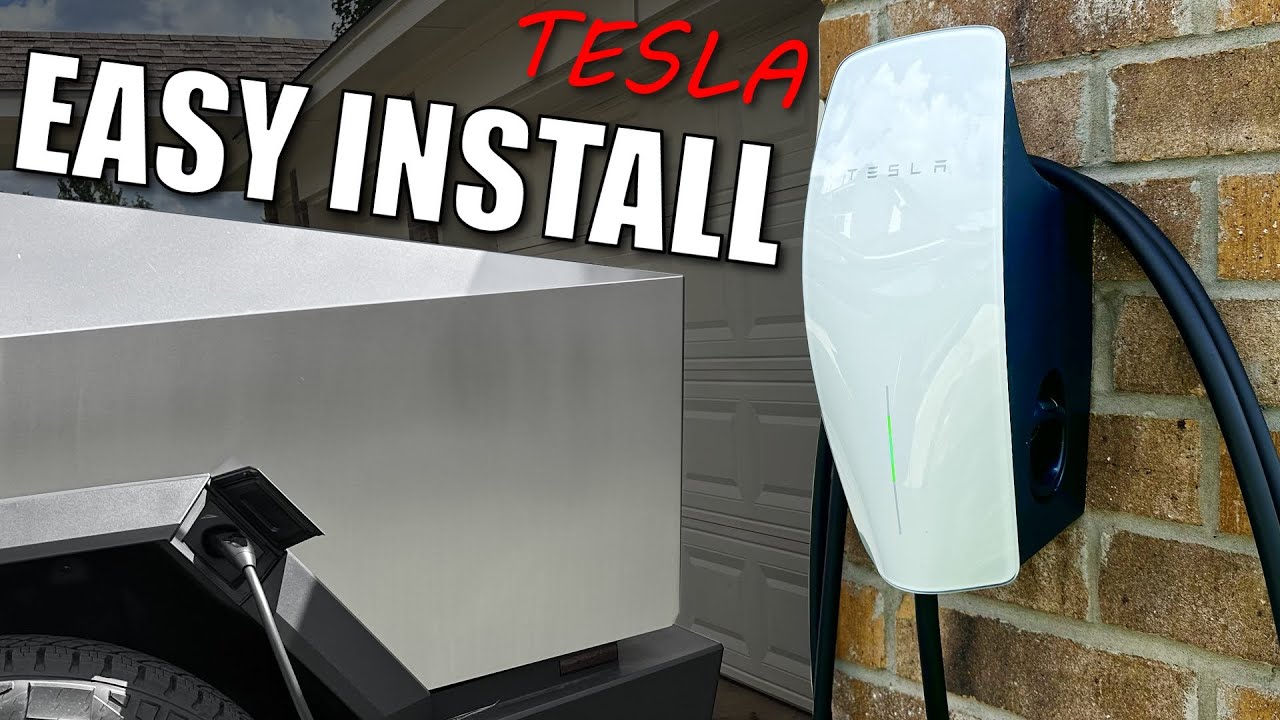
The shift to NACS has implications for home charging as well. If you currently own a Tesla Wall Connector and have a vehicle with the older CCS connector, you won’t need to immediately replace it. As mentioned earlier, the CCS-to-NACS adapter can be used with your existing Wall Connector. However, if you’re planning to upgrade your home charger, it’s worth considering a NACS-compatible unit.
Several third-party manufacturers now offer NACS-compatible Wall Connectors, and Tesla is expected to release a native NACS Wall Connector in the future. The cost of upgrading a home charger can vary depending on the model and installation requirements, but you can generally expect to spend between $600 and $1200 for a new unit and professional installation. It’s always best to consult with a qualified electrician.
Looking ahead, we may see increased integration between home charging and home energy systems like the Powerwall. This could allow you to optimize your charging schedule based on grid conditions and energy prices, and even use your Powerwall to power your home during peak demand. This level of integration is still in its early stages, but it represents a promising direction for the future of home charging.
Troubleshooting Common Issues
While the V4 Superchargers are generally reliable, you may encounter occasional issues. Connection failures can sometimes occur due to software glitches or a faulty connector. If this happens, try disconnecting and reconnecting the cable, or switching to a different stall. Slow charging speeds can be caused by a variety of factors, including a cold battery, high station utilization, or a problem with the adapter.
Error messages on the Supercharger screen can provide clues about the underlying problem. Tesla provides a comprehensive support website with detailed information about common error codes and troubleshooting steps. If you're unable to resolve the issue yourself, you can contact Tesla Support for assistance. Be prepared to provide details about the station location, error message, and your vehicle model.
It’s also helpful to report any software glitches or unusual behavior to Tesla. You can do this through the Tesla app or website. Providing feedback helps Tesla identify and fix issues quickly, improving the overall charging experience for everyone. Here's a link to Tesla Support:
No comments yet. Be the first to share your thoughts!